Vascular Risk Study Guide: Prevention, Risk Factors, and Treatment
This comprehensive study guide is designed to help healthcare professionals, medical students, or anyone seeking to understand vascular risk factors and how to prevent vascular diseases. It covers the key concepts related to the vascular system, cardiovascular diseases, and chronic conditions that increase the risk of heart disease, stroke, and other vascular disorders.Key Features:
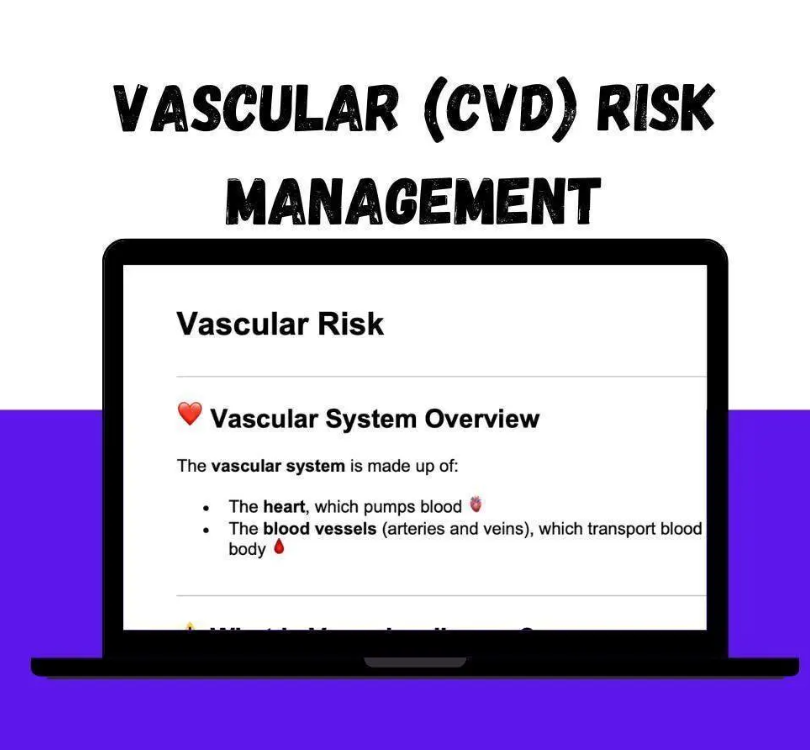
Vascular System Overview: Learn about the vascular system, including the heart and blood vessels, and how vascular diseases affect blood circulation.
What is Vascular Disease? Understand the different types of vascular diseases, such as coronary heart disease (CHD), stroke, diabetes (especially type 2), and chronic kidney disease (CKD). These conditions are interconnected, with one increasing the risk of developing another.
Common Risk Factors for Vascular Disease: Review modifiable risk factors, including obesity, physical inactivity, smoking, high blood pressure, dyslipidaemia, and impaired glucose regulation.
Fixed Risk Factors: Learn about non-modifiable risk factors like age, sex, family history of cardiovascular disease, and ethnicity, which can also influence vascular risk.
Vascular Disease Mechanisms: Explore how vascular diseases develop, primarily through atherosclerosis—fatty deposits (atheromas) building up inside arteries, leading to narrowing and hardening.
High-Risk Patients: Identify groups at higher risk of vascular disease, such as individuals with diabetes, CKD, familial hypercholesterolemia, or those over the age of 85. Early intervention is key for these patients.
Vascular Risk Calculators: Learn about risk calculators like the QRISK3, Framingham, and ASSIGN, used to estimate 10-year cardiovascular disease risk and guide prevention strategies.
Lifestyle and Pharmacological Treatment: Understand how to approach treatment, including lifestyle modifications such as weight management, exercise, smoking cessation, and dietary changes. Pharmacological options include statins, antihypertensives, and more.
Special Considerations: Delve into how certain conditions, such as serious mental health disorders, autoimmune diseases, and medications like antipsychotics or corticosteroids, increase vascular risk.
Whether you’re preparing for exams, managing vascular risk in clinical practice, or looking for a deeper understanding of vascular health, this guide provides structured, clear, and thorough information to help you manage cardiovascular risk effectively.
